
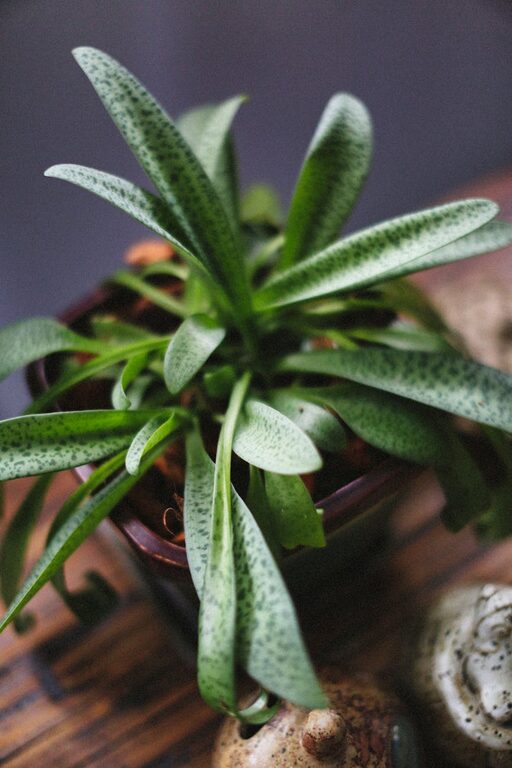
How Houseplants Improve Indoor Air Quality and Boost Your Mood
Bringing nature indoors has more benefits than just beautifying your living space. Houseplants are known not only to enhance the aesthetic appeal of your home but also to improve the quality of the air you breathe and positively impact your emotional well-being. In this post, we will explore how houseplants contribute to cleaner indoor air and better moods, and we’ll share tips on choosing and caring for plants that are best suited for your home.
Why Indoor Air Quality Matters
Indoor air can often be more polluted than outdoor air due to materials used in construction, household cleaning products, and everyday activities. Common indoor pollutants include volatile organic compounds (VOCs), dust, mould spores, and carbon dioxide. Poor air quality can lead to headaches, fatigue, allergies, and respiratory issues.
Improving the air inside your home not only protects your health but also creates a more comfortable and inviting environment.
How Houseplants Improve Indoor Air Quality
Natural Air Purifiers
Several studies, including one by NASA, have shown that certain houseplants can absorb harmful chemicals through their leaves and roots. These plants act as natural filters, removing pollutants such as benzene, formaldehyde, and trichloroethylene.
Increasing Humidity
Plants release moisture through a process called transpiration. This increases indoor humidity, which can be especially beneficial in dry environments. Proper humidity levels can reduce respiratory irritation and help prevent dry skin.
Oxygen Production
Through photosynthesis, plants take in carbon dioxide and release oxygen, improving air quality and freshness, particularly during the day when there’s enough light.
Best Plants for Air Purification
Here are some popular houseplants known for their air-cleaning properties:
– Spider Plant (Chlorophytum comosum): Easy to care for, filters toxins like formaldehyde.
– Snake Plant (Sansevieria trifasciata): Releases oxygen even at night, ideal for bedrooms.
– Peace Lily (Spathiphyllum): Removes mould spores and allergens, also adds beautiful blooms.
– Aloe Vera: Known for releasing oxygen and removing toxic chemicals.
– Boston Fern (Nephrolepis exaltata): Effective at humidifying air and filtering pollutants.
How Houseplants Boost Your Mood and Mental Well-Being
Stress Reduction
Interacting with plants can reduce stress levels. Gardening or simply caring for houseplants is a calming activity that encourages mindfulness and presence.
Improved Concentration and Productivity
Several studies suggest that having plants in workspaces can increase concentration, creativity, and productivity. The presence of greenery helps reduce mental fatigue.
Enhanced Mood and Happiness
Plants bring a sense of life and vitality to indoor spaces, which can increase feelings of happiness and relaxation. The act of nurturing a living thing provides emotional satisfaction.
Better Sleep Quality
Certain plants, such as the snake plant and lavender, release oxygen or calming scents that can contribute to a more restful night’s sleep.
Tips for Keeping Houseplants Healthy Indoors
Choose the Right Plants for Your Environment
Consider the amount of natural light available in your home when selecting plants. Some thrive in low-light conditions, while others need plenty of sunlight.
Proper Watering
Avoid overwatering or letting your plants dry out completely. Most houseplants prefer soil that is moist but well-draining.
Regular Maintenance
Remove dead leaves, dust off foliage, and check for pests regularly to keep your plants healthy and strong.
Use Quality Potting Mix
Good soil supports root development and retains moisture well. Using a high-quality, well-aerated potting mix makes a difference.
Reinforce with Fertiliser
Apply a balanced, water-soluble fertiliser every few weeks during the growing season to promote growth.
Practical Ways to Incorporate Houseplants at Home
– Place a spider plant or pothos in hanging baskets or on shelves.
– Use larger plants like fiddle leaf figs in living rooms as focal points.
– Add small succulents on desks or windowsills for easy-care greenery.
– Group plants together to create a mini indoor jungle that boosts humidity and air quality.
Conclusion
Houseplants are more than just decorative elements – they actively improve indoor air quality and contribute to a positive and healthy mental state. Whether you are looking to breathe cleaner air, reduce stress, or simply bring a touch of nature inside, incorporating houseplants into your home is a natural and simple way to enhance your well-being. With a bit of care and attention, your green companions will thrive and benefit your health for years to come.
