
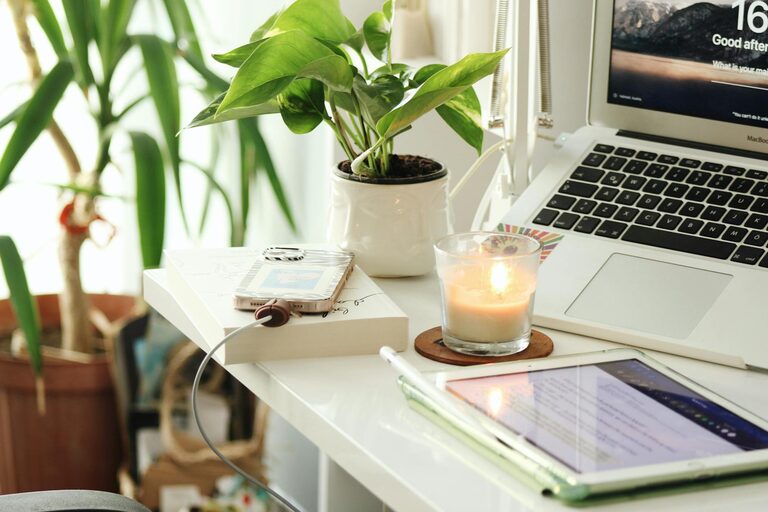
Tips for Creating a Relaxing and Productive Home Workspace
Creating a home workspace that is both relaxing and productive is essential in today’s world, where many people spend considerable time working remotely. A well-designed space can improve concentration, reduce stress, and make working from home more enjoyable. Whether you have a dedicated room or just a corner in your living space, these tips will help you transform it into a comfortable and efficient environment.
Choose the Right Location
Selecting the best spot for your workspace is the first step. Ideally, it should be:
– Quiet and private: Choose a part of the house away from high-traffic areas to minimise distractions.
– Well-lit: Natural light is best, so position your desk near a window if possible. If not, invest in good quality task lighting.
– Comfortable temperature: Avoid locations that get too hot or cold during the day.
Remember, your workspace location sets the tone for your workday, so make sure it supports your needs.
Invest in an Ergonomic Setup
Comfort is key when it comes to productivity. Your furniture and equipment should support good posture and reduce strain.
– Desk: A desk at the right height that allows your elbows to rest comfortably at about 90 degrees.
– Chair: Choose an ergonomic chair with adjustable height, good lumbar support, and comfortable padding.
– Monitor: Position your monitor at eye level about 50–70 cm from your eyes to prevent neck strain.
– Keyboard and mouse: Use a keyboard and mouse that reduce wrist strain, possibly with a wrist rest.
Taking the time to invest in ergonomic equipment helps prevent fatigue and discomfort during long periods of work.
Keep It Organised
A cluttered workspace can distract and stress you. Aim to keep your area tidy and organised by:
– Decluttering regularly: Remove items you don’t use daily.
– Using storage solutions: Use shelves, drawers, or organisers to keep documents and supplies in place.
– Minimising desk items: Keep only essentials on your desk to maintain clear space for working.
An organised environment promotes mental clarity and helps you focus on your tasks.
Add Soothing Elements
To create a relaxing atmosphere, incorporate elements that calm your mind:
– Plants: Indoor plants boost mood and improve air quality.
– Soft colours: Use calming colours such as light blues, greens, or neutrals on walls or accessories.
– Textures: Add a cosy rug, cushions, or a soft throw to bring warmth.
– Personal touches: Display a few personal items like photos or artwork that make you happy without overwhelming the space.
Balancing these elements ensures your workspace feels inviting rather than sterile.
Manage Light and Noise
Light and sound affect how well you focus and how relaxed you feel.
– Lighting: Use adjustable lighting options with warm tones to avoid harsh glare or eye strain.
– Noise control: If noise is an issue, consider noise-cancelling headphones, a white noise machine, or soundproofing solutions like heavy curtains or rugs.
Creating the right sensory environment helps you stay attentive and calm.
Establish a Work Routine
A relaxing and productive workspace goes hand in hand with good habits. Set clear boundaries by:
– Designating work hours: Stick to consistent start and finish times.
– Taking breaks: Step away from your desk regularly to stretch and refresh.
– Separating work and leisure: Avoid working in bed or on the sofa to keep your mind focused when at your workspace.
Following a routine enhances both your output and your well-being.
Use Technology Wisely
Technology can support your productivity but also become a distraction.
– Organise digital files: Use folders and naming conventions for easy access.
– Limit notifications: Switch off non-essential alerts during work periods.
– Use productivity apps: Calendars, task managers, and focus apps can keep you on track.
Being intentional about technology use helps maintain your focus.
Prioritise Air Quality and Comfort
Good air circulation and a comfortable environment are vital.
– Ventilate regularly: Open windows or use an air purifier.
– Maintain a comfortable temperature: Use fans, heaters, or humidifiers as needed.
– Keep hydrated: Have a water bottle close by to stay refreshed.
Comfortable surroundings reduce distractions from physical discomfort.
Final Thoughts
Designing a home workspace that fosters relaxation and productivity is achievable with thoughtful planning. By creating a space that supports focus, comfort, and calm, you’ll find working from home a more pleasant and effective experience. Take your time, personalise your area, and remember that small changes can have a big impact.
